
menu
Close
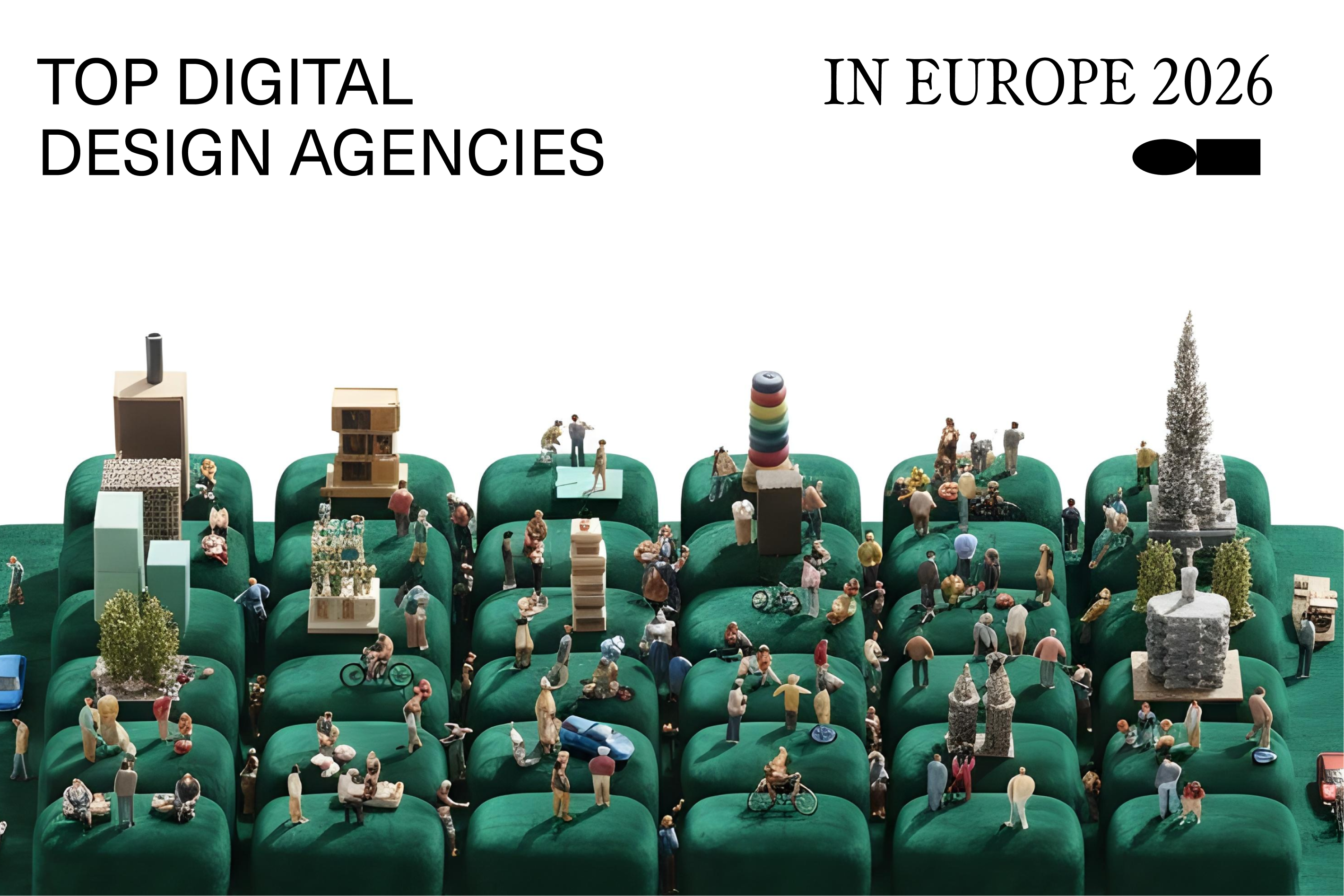
Choosing a digital design agency in Europe looks straightforward on paper. Almost every studio claims to be user-centric, product-focused, and design-led. Portfolios are polished, websites are fast, and case studies highlight impressive visuals. The real challenge starts when you try to understand how much of that work actually holds up in real products.
In 2026, digital design is no longer just about how something looks. It’s about how clearly users can move through a product, how well interfaces scale as features grow, and whether design decisions are grounded in real user behaviour. Many agencies still approach digital design as a layer added at the end, rather than a system that supports usability, consistency, and long-term growth.
Europe has no shortage of strong design talent. What’s harder to find are agencies that consistently bridge brand, UI/UX, and product thinking without losing clarity or momentum. Some teams excel visually but struggle with complexity. Others understand UX deeply but fail to translate it into a cohesive digital experience.
This list highlights digital design agencies in Europe that approach design as a system, not a surface. Agencies that think beyond screens, work comfortably across UX and product constraints, and build digital experiences that are meant to be used, scaled, and evolved.
If you're choosing a partner for a new digital identity in 2026, this list offers a realistic view of who’s doing meaningful digital design work across Europe right now.
Digital design in 2026 extends far beyond visual execution. Strong interfaces, polished websites, and clean layouts are now baseline expectations. What differentiates the best digital design agencies is their ability to think in systems, design for real user behaviour, and deliver work that scales as products, teams, and requirements evolve.
For this list, we did not rank agencies based on size, awards, or visibility alone. Instead, we evaluated digital design partners based on how consistently they deliver clarity, usability, and long-term value across digital environments.
Here’s how we assessed each agency:
1. Digital-first thinking, not visual-first execution
We looked for agencies that design from user needs, product logic, and interaction flows rather than treating digital design as a visual layer. Strong agencies clearly explain why design decisions were made, not just how they look.
2. Strength in UI/UX and product design
Agencies were evaluated on their ability to design usable, intuitive interfaces that work within real product constraints. This included information architecture, interaction design, and how well UX thinking translates into finished digital experiences.
3. Ability to build scalable digital systems
We prioritised teams that create design systems, component libraries, and frameworks that scale across websites, platforms, and products. One-off screens or campaign-driven work ranked lower than system-led approaches.
4. Consistency across projects and industries
Rather than focusing on a single standout project, we reviewed multiple case studies to assess consistency, adaptability, and depth of thinking across different clients, sectors, and time periods.
5. Integration of brand and digital experience
The strongest agencies bridge brand expression and usability without sacrificing either. We favoured teams that can translate brand strategy into functional, coherent digital experiences across interfaces and touchpoints.
6. Evidence of real-world impact
Where available, we looked for indicators of impact such as improved usability, clearer product communication, adoption, engagement, or measurable outcomes. Visual quality alone was not enough.
7. European market relevance
Europe’s digital landscape is culturally and structurally diverse. Agencies with experience working across European markets, languages, and audiences were prioritised over those applying generic, one-size-fits-all approaches.
This framework allowed us to curate a list of digital design agencies that operate beyond surface-level design. The agencies featured here demonstrate an ability to balance UX, product thinking, and digital craft while delivering work that holds up in real-world use.
These agencies stand out for their creative thinking, consistency of work, and ability to build ideas that scale across brands, platforms, and markets.

Creative Mules is an Amsterdam-based branding and Webflow studio known for pairing strategic clarity with clean, modern visual execution. The studio operates as a small, independent team supported by a flexible network of collaborators, allowing them to deliver high-quality branding and website projects without the overhead of a large agency.
Their work spans brand strategy, identity systems, UX/UI, and Webflow development, making them a strong fit for startups and SaaS companies that need both a well-defined brand and a functional, conversion-focused marketing site. Project budgets vary based on scope, with engagements typically ranging from smaller identity builds to more involved brand + website rollouts.
A complete website project showcasing a modern, clean digital presence with strong use of typography and grid-based layouts. The work demonstrates Creative Mules’ ability to design a premium marketing site and build it in Webflow with performance and clarity in mind.
A full identity and website project where Creative Mules developed the brand system and applied it across digital touchpoints. The case highlights their capability to create a cohesive brand language and translate it into a functional, visually consistent website.
Build in Amsterdam is a digital-first design studio founded in 2014 and based in Amsterdam. The studio is known for blending strong visual identity with product thinking, UX design, and eCommerce-focused digital experiences. Their work often sits at the intersection of brand, interface design, and technology.
With a multidisciplinary team of designers, developers, and strategists, Build in Amsterdam partners with brands that care deeply about how design functions in real-world digital environments. Rather than treating branding and digital as separate disciplines, the studio approaches design as a system that must work cohesively across websites, products, and platforms.
Build in Amsterdam is particularly well suited for brands that need design-led digital experiences, especially in commerce, lifestyle, and consumer-facing industries, where performance and aesthetics need to coexist.
Build in Amsterdam partnered with Polaroid to redesign and evolve its global eCommerce experience. The project focused on translating Polaroid’s iconic brand into a modern, digital-first platform that could support both storytelling and conversion.
The studio developed a flexible design system that balanced nostalgia with contemporary usability, ensuring the site could scale across products, campaigns, and international markets.
For Alpine, the high-performance automotive brand, Build in Amsterdam designed a digital experience that reflected speed, precision, and engineering excellence. The project focused on creating a visually striking yet highly usable interface that aligned with Alpine’s performance-driven identity.
The work combined strong visual storytelling with structured UX, resulting in a digital platform that supported brand expression while remaining functional across devices.
Hello Monday is a Copenhagen-based creative studio known for crafting expressive, concept-driven brand experiences across digital platforms. The studio blends brand thinking, design, and technology to create work that feels playful, culturally aware, and highly interactive.
Rather than focusing on traditional corporate branding, Hello Monday specialises in brand expression, how brands show up through websites, campaigns, motion, and immersive digital experiences. Their work often emphasises storytelling, interaction, and emotional engagement, making them a strong fit for startups and scale-ups that want to build memorability and cultural relevance alongside clarity.
Operating with a multidisciplinary team of designers, technologists, and creative directors, Hello Monday delivers brand-led digital experiences that balance strong ideas with refined execution. Their projects are typically highly crafted and experiential, rather than template-driven.
Hello Monday partnered with Bang & Olufsen to create a digital experience that brings the brand’s craftsmanship, sound philosophy, and design heritage to life online. The project focused on translating the physical, sensory qualities of Bang & Olufsen products into an immersive digital format that reflects the brand’s premium positioning.
The experience uses interaction, motion, and refined visual storytelling to highlight sound, materiality, and form, creating an emotional connection rather than a traditional product-led interface. The work reinforces Bang & Olufsen’s identity by making its values: precision, performance, and beauty feel tangible in a digital environment.
For Strava’s Year In Sport 2023, Hello Monday designed an interactive digital experience that celebrates the global Strava community through personalised data storytelling. The project transformed individual activity data into engaging, shareable narratives that highlight participation, progress, and collective achievement.
The experience balanced clarity with playfulness, using motion, typography, and interaction to make performance data feel human and celebratory. By combining personal insights with a broader community perspective, the work strengthened Strava’s brand as a platform built around motivation, connection, and everyday athletes.
Koto is a global branding studio known for building bold, contemporary identities for some of the world’s fastest-growing companies. Founded in 2015, the agency has quickly expanded into a multi-office international studio working across London, Berlin, Los Angeles, New York, and Sydney.
Koto specializes in high-growth brand environments, from tech startups to established global consumer brands with a strong emphasis on clarity, personality, and modern expression. Their work spans strategy, naming, identity, digital design, and brand voice, often helping companies establish a differentiated market position at pivotal moments of growth.
Koto partnered with Amazon to develop brand systems that support clarity and consistency across a complex, global ecosystem. The work focused on creating flexible design frameworks that can scale across products, teams, and touchpoints while maintaining a coherent brand experience.
Koto worked with Workday to evolve the brand’s visual identity and digital expression as the company continued to scale. The project centred on building a clear, adaptable system that supports a wide range of product and marketing needs while reinforcing Workday’s positioning as a trusted enterprise platform.
Bakken & Bæck is a digital-first design studio known for blending strong brand thinking with deep product and UX expertise. Founded in Norway and now operating across Europe, the studio has built a reputation for working closely with startups and scale-ups to shape brands that live primarily through digital products.
Unlike traditional branding agencies, Bakken & Bæck approaches brand as something experienced through interfaces, interactions, and systems, not just logos and visuals. Their work often begins with product strategy and user experience, then extends naturally into brand identity and visual language. This makes them especially well-suited for early-stage and growth-stage companies where product and brand need to evolve together.
The studio operates with small, senior-led teams and a highly collaborative process. Projects tend to be thoughtful, research-driven, and built for long-term scalability rather than surface-level polish.
Bakken & Bæck developed the brand identity and creative system for IKEA Studio, an experimental IKEA platform focused on exploring future living, design research, and conceptual ideas. The work centred on creating a distinct visual language that could exist alongside IKEA’s core brand while still feeling clearly connected to it. The identity was designed to be flexible and expressive, supporting storytelling, research outputs, exhibitions, and concept-led content across both digital and physical environments. Rather than a commercial brand system, the work positioned IKEA Studio as an exploratory space allowing ideas, prototypes, and narratives to be communicated with clarity and consistency.
For CoinTracker, Bakken & Bæck worked on shaping the brand identity and visual system for a crypto portfolio tracking and tax platform operating in a complex financial space. The challenge was to bring clarity and trust to a product dealing with highly technical and often intimidating subject matter. The branding focused on creating a clean, structured visual system that could scale across product, web, and marketing touchpoints. The result was a brand that balances crypto-native credibility with more traditional financial cues, helping CoinTracker communicate reliability, transparency, and ease of use as the platform grew.

Anton & Irene is an independent design studio known for crafting bold, experimental, and visually distinctive digital brand experiences. Founded by Anton Repponen and Irene Pereyra, the studio has built a strong reputation for pushing creative boundaries while maintaining clarity and purpose in brand expression.
Their work often lives at the intersection of brand identity, interaction, and storytelling, with a strong emphasis on the web as a primary brand surface. Rather than delivering conventional corporate branding, Anton & Irene focuses on expressive digital systems that help brands stand out culturally and visually making them especially relevant for startups and scale-ups looking to differentiate in crowded markets.
The studio operates with a small, senior-led team and takes on a limited number of highly crafted projects. Engagements are typically concept-driven and design-led, resulting in brands that feel distinctive, memorable, and digitally native.
Anton & Irene designed a digital experience for Spotify that explores music through interaction, motion, and visual storytelling. The project focuses on translating Spotify’s music-first identity into an immersive web experience that feels expressive, dynamic, and emotionally engaging, while staying true to the brand’s core simplicity.
Anton & Irene created the digital platform for Design Beyond Barriers, an initiative focused on inclusive and accessible design. The work combines content, interaction, and thoughtful visual design to communicate complex social themes in a clear and engaging way, ensuring accessibility is embedded into both the message and the experience.
.png)
Kurppa Hosk is a Stockholm-based brand and design studio founded in 2009, known for its ability to combine strategic clarity with strong, contemporary visual identities. The studio works across brand strategy, identity, and design systems, helping organisations define who they are and how they show up across digital and physical touchpoints.
With a collaborative, strategy-led approach, Kurppa Hosk partners with both global brands and growing companies to create identities that feel clear, confident, and adaptable. Their work often balances bold visual expression with structure and restraint, making it practical as well as distinctive.
Kurppa Hosk is particularly well suited for brands that need a strong identity foundation that can scale across markets, platforms, and audiences without losing consistency.
Kurppa Hosk worked with Bobbi Brown to evolve the brand’s visual identity, bringing greater clarity, confidence, and consistency to its global presence. The project focused on refining how the brand communicated its values across packaging, digital channels, and brand communications.
The updated identity balanced modernisation with familiarity, ensuring the brand remained recognisable while feeling more contemporary and relevant.
Kurppa Hosk partnered with Meta on brand-related design work focused on clarity, structure, and consistency across communication touchpoints. The project required a flexible design system that could support a large, complex organisation while remaining clear and accessible.
The studio’s work emphasised scalability and usability, ensuring the design system could be applied across teams, products, and global markets.
Eleken is a product design agency specialising in UX/UI design for SaaS companies. The studio is known for its practical, product-led approach focusing on usability, clarity, and conversion rather than purely aesthetic outcomes. Their work is tightly aligned with business goals such as activation, retention, and feature adoption.
The agency works primarily with startups and growing SaaS teams, often stepping in during early product stages or major redesign phases. Eleken’s process emphasises rapid iteration, close collaboration with product managers and engineers, and design decisions informed by user behaviour and feedback.
With a strong focus on B2B software and complex workflows, Eleken is well-suited for companies building dashboards, platforms, and tools that need to balance functionality with ease of use.
Eleken worked with Modia to design a digital product experience focused on clarity, usability, and workflow efficiency. The project centred on shaping a clean and intuitive interface for a SaaS platform, helping users navigate complex product functionality with ease.
The work involved structuring user flows, simplifying interactions, and designing a scalable interface system that supports future feature growth. The result is a product experience that balances functional depth with a straightforward, easy-to-use design.
For BookPeep, Eleken designed the digital experience for a reading and content discovery platform. The project focused on creating an intuitive, user-friendly interface that makes browsing, reading, and interacting with content feel seamless and engaging.
The design prioritised readability, navigation clarity, and interaction simplicity, ensuring users could focus on content without friction. Eleken’s work helped define the visual structure and experience logic of the platform as a cohesive digital product.
.png)
Netguru is a Europe-based digital product consultancy known for combining product strategy, UX/UI design, and engineering at scale. The agency works with startups, scale-ups, and enterprises to design and build digital products that are both user-centred and technically robust.
Unlike studios that focus purely on design, Netguru operates as a full product partner supporting clients from early discovery and MVP stages through to large-scale product development. Their design work is closely integrated with research, validation, and engineering, making them particularly relevant for startups that need to move quickly without sacrificing product quality.
With large, multidisciplinary teams and mature delivery processes, Netguru is well-suited for organisations tackling complex digital platforms, regulated industries, or multi-market products that require consistency and scalability.
Netguru partnered with Żabka to design and build the digital experience behind its autonomous convenience stores. The project focused on creating a seamless, frictionless customer journey allowing users to enter the store, pick products, and check out automatically through a mobile-first experience.
The work combined digital product design with service and experience design, ensuring that complex technologies such as computer vision and automated payments felt simple and intuitive to everyday users. The result was a scalable digital system that supports Żabka’s expansion into cashierless retail.
For Booksy, Netguru designed and developed a dedicated B2B platform to support service providers using the booking ecosystem. The project focused on creating clear workflows for managing schedules, clients, payments, and business operations at scale.
The digital design work prioritised usability, efficiency, and role-based experiences, ensuring that business users could manage complex operations with minimal friction. Netguru’s approach helped Booksy strengthen its B2B offering while maintaining consistency with the broader product ecosystem.
Finding digital design agencies is rarely the problem. The real challenge is understanding which of them can still support your product six months after launch, when new features, edge cases, and user feedback start to reshape the experience.
Here are a few practical factors to consider when evaluating digital design agencies in 2026.
1. Start with the problem you’re trying to solve
Not all digital design agencies do the same kind of work. Some specialise in early-stage product design, others in scaling established platforms, and some in translating brand systems into digital experiences. Be clear about whether you need foundational UX thinking, interface refinement, system design, or end-to-end digital execution before starting conversations.
2. Look beyond individual screens
Strong digital design holds up across flows, edge cases, and future features. Review whether an agency shows complete user journeys, design systems, and interaction logic rather than isolated screens or marketing pages. This is often a better indicator of long-term usability than visual polish alone.
3. Evaluate how they balance UX, product, and brand
The best digital design agencies work comfortably within constraints. They understand user needs, technical limitations, and brand expression and know how to balance all three without sacrificing clarity or usability. Ask how design decisions are tested, validated, and adapted in real product environments.
4. Consider your stage and internal team
Early-stage teams often benefit from agencies that offer hands-on collaboration and guidance. More mature organisations may need partners who can integrate with existing workflows, collaborate closely with developers, and respect established design systems. Fit matters more than reputation.
5. Pay attention to process and communication
Digital design projects evolve quickly. Clear communication, structured feedback loops, and transparent decision-making often matter more than specific tools or methodologies. Agencies should be able to clearly explain how they move from discovery to delivery.
6. Think about scalability and longevity
Design decisions made today shape how easily your product evolves tomorrow. Ask how an agency approaches documentation, handover, and system maintenance. Strong partners design with growth in mind, not just immediate delivery.
7. Look for evidence of real-world outcomes
Visual quality is only part of the equation. Where possible, look for signs that an agency’s work improved usability, adoption, clarity, or engagement. The strongest partners connect design decisions to real-world impact.
Choosing the right digital design agency ultimately comes down to alignment. When expertise, working style, and expectations match, agencies move beyond execution and become long-term partners in building digital experiences that work.
Use the questions below as practical filters during your evaluation process.
1. Can you walk us through the thinking behind a recent digital project?
2. How do you approach UX and product constraints?
3. How do you ensure designs scale as products evolve?
4. Who will actually be working on our project?
5. How do you collaborate with internal teams and developers?
6. How do you measure success for a digital design project?
7. What happens after launch?
These questions are less about finding perfect answers and more about identifying alignment. The right digital design agency should be able to communicate clearly, think in systems, and demonstrate comfort working within evolving product realities.
Good digital design doesn’t reveal itself on day one.
The real test comes later when products evolve, features multiply, and real users start pushing against the edges of what was designed. That’s where the difference between surface-level execution and system-led digital design becomes clear.
The agencies featured in this list stand out because they design for that reality. They think in flows, components, and constraints. They understand that usability, clarity, and scalability are not optional, but essential for any digital product that plans to grow. Their work is built to adapt, not just impress.
If you’re evaluating digital design partners in Europe, the goal shouldn’t be to find the most visually striking portfolio. It should be to find a team that can support your product beyond launch, when priorities shift, complexity increases, and design decisions start to compound.
This list is meant to narrow that search. Not by highlighting the loudest names, but by focusing on digital design agencies whose work continues to function, scale, and stay coherent long after the initial release.
If you’re choosing a digital design agency, the right partner should give you more than good-looking interfaces. They should help you bring clarity to complex digital problems, design usable experiences, and build digital systems your team can actually work with over time.
That’s the kind of work we focus on at Creative Mules.
If you want a partner who:
Then we might be the right fit for your project. Schedule an intro call with Creative Mules
.png)
.png)
-(1).png)